
How to Prepare for a CPR Class: Tips from Experts


Understanding the Importance of CPR Training
Cardiopulmonary resuscitation (CPR) is a crucial life-saving technique that can make a significant difference during cardiac emergencies. Preparing effectively for a CPR class will ensure you gain the maximum benefits and confidence needed to act swiftly in real-life situations.
Whether you're a healthcare professional or a concerned citizen, knowing how to properly perform CPR can be a valuable skill. This guide provides expert tips on how to prepare for your upcoming CPR class.
Gathering the Necessary Materials
Enroll in a Certified Course
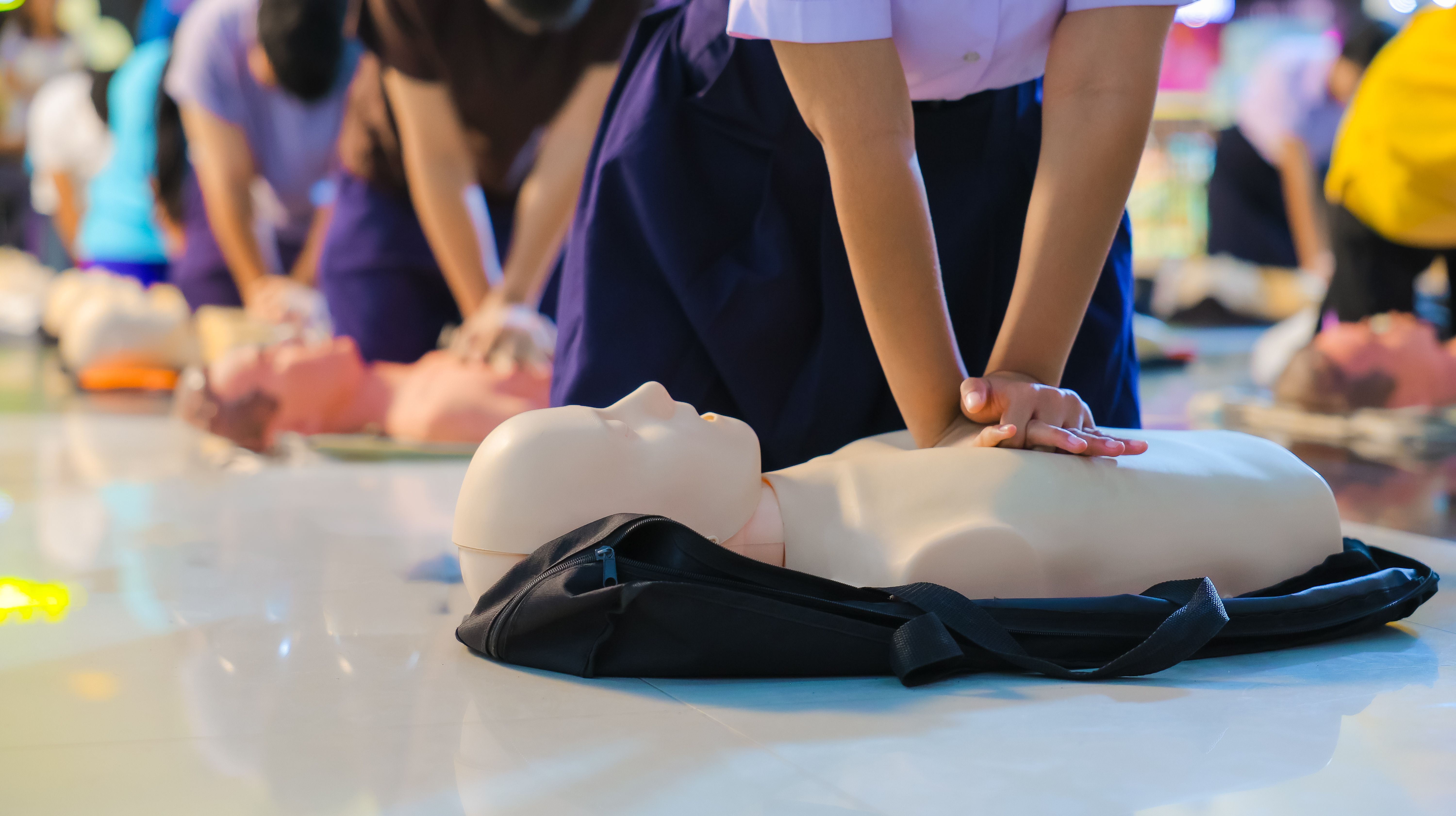
Ensure that you register for a class offered by a certified organization like the American Heart Association or Red Cross. These courses provide hands-on training and are recognized nationwide.
Prepare Your Supplies
Before attending, check if any specific materials are needed. Typically, courses provide all necessary equipment, but bringing a notebook for jotting down essential points can be helpful.
Understanding the Course Content
Review Basic Anatomy and Physiology
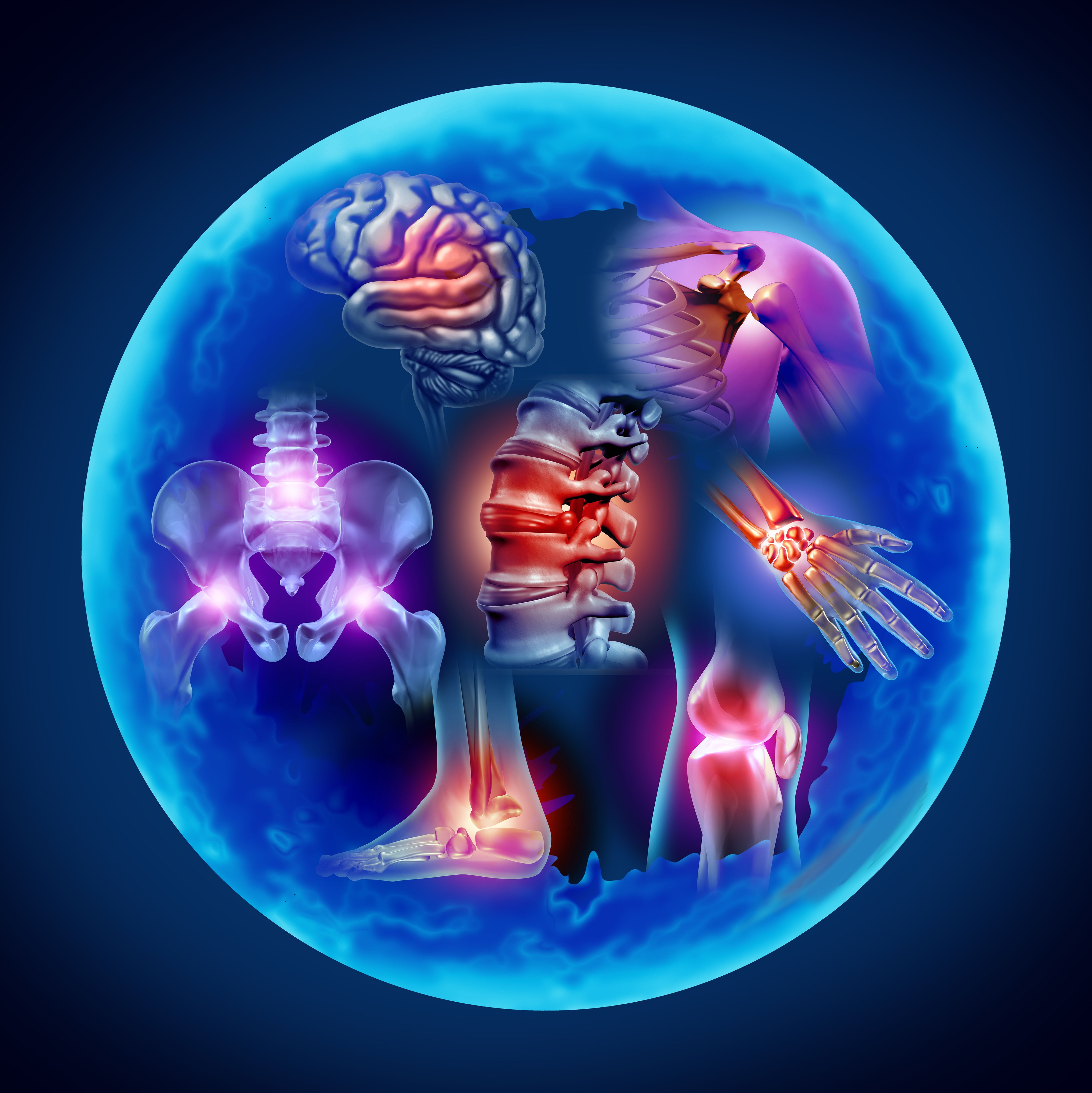
Having a basic understanding of human anatomy, particularly the cardiovascular and respiratory systems, can help you grasp CPR techniques more effectively. Consider reviewing these topics beforehand.
Familiarize Yourself with CPR Guidelines
Reading up on the latest CPR guidelines will give you a head start. The American Heart Association regularly updates these guidelines, so make sure you're looking at the most current information.
Preparing Mentally and Physically
Get Plenty of Rest
A good night's sleep before the class ensures you're alert and ready to learn. CPR training can be physically demanding, so being well-rested is crucial.
Dress Comfortably
Wear comfortable clothing that allows you to move freely. CPR training involves bending and kneeling, so attire that facilitates ease of movement will be beneficial.

Engaging During the Class
Ask Questions
Don't hesitate to ask questions if you're unsure about any steps or techniques. Instructors are there to help and ensure you leave the class confident in your abilities.
Practice Diligently
Take full advantage of the hands-on practice sessions. Repetition and muscle memory are key to performing CPR effectively in emergencies.
Post-Class Considerations
Review and Practice Regularly
Once your class is over, regularly review what you've learned. Practicing with family or friends can help reinforce your skills and confidence.
Keep up-to-date with any changes in CPR guidelines and consider taking refresher courses periodically to stay sharp.
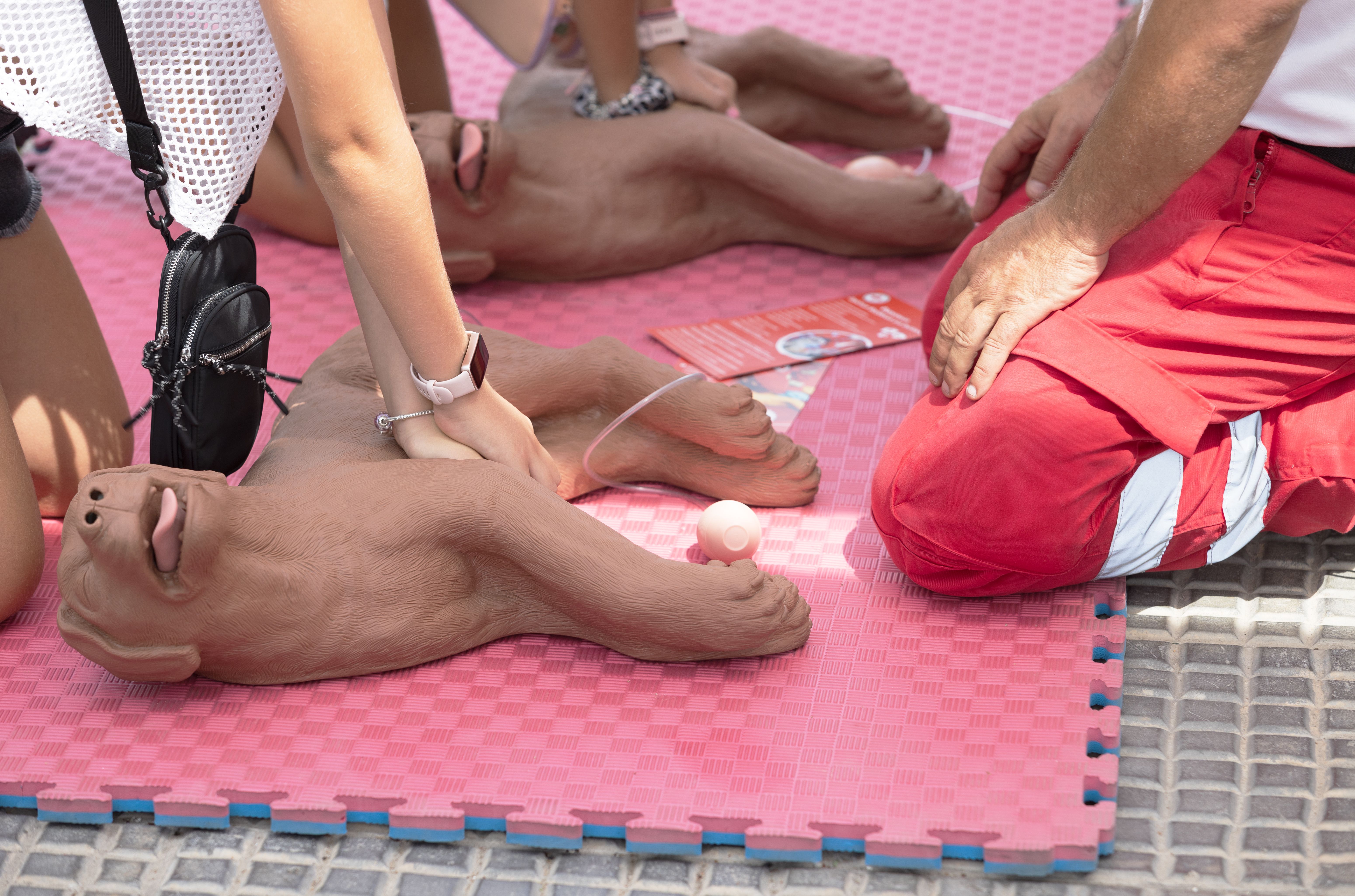
By preparing thoroughly for your CPR class, you not only enhance your learning experience but also equip yourself with the skills needed to save lives. Remember, being prepared can make all the difference in an emergency situation.